"A great adventure with life lessons!"
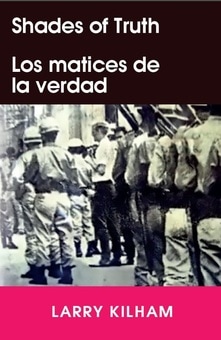 Shades of Truth
Shades of Truth is my memoir of working in Nicaragua, Central America, in 1965. I was 23 and analyzing a steel company there. I discovered that the company’s manager had much more ambitious plans of enrichment ultimately involving the dictator of the republic. Everyone’s plans were changed with the devastating earthquake of 1972 in Managua and the Sandinista revolution starting before I arrived and ending in 1979.
Larry Kilham escribe un fascinante libro de memorias de su experiencia como analista de negocios mientras trabajaba en Nicaragua en 1965, una época de oscuridad para el país bajo las dictaduras de la familia Somoza. El relato palpable de gobierno e intereses privados del acero presenta un fragmento en un momento de transición en América Central.
Victoria Wagner Ross, San Diego Examiner.
To order copies of the book:
For English-Spanish dual language paper book, click here
For English ebook, click here
Para ebook en español, clic aquí
Larry Kilham escribe un fascinante libro de memorias de su experiencia como analista de negocios mientras trabajaba en Nicaragua en 1965, una época de oscuridad para el país bajo las dictaduras de la familia Somoza. El relato palpable de gobierno e intereses privados del acero presenta un fragmento en un momento de transición en América Central.
Victoria Wagner Ross, San Diego Examiner.
To order copies of the book:
For English-Spanish dual language paper book, click here
For English ebook, click here
Para ebook en español, clic aquí
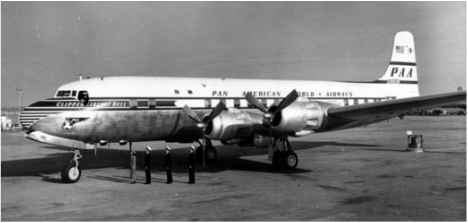
The popular Pan Am DC-6 to Nicaragua
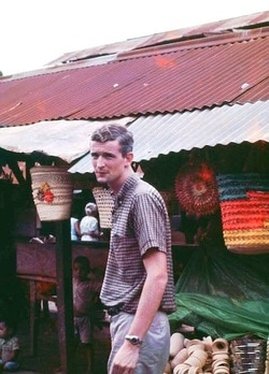
That's me at a market
|
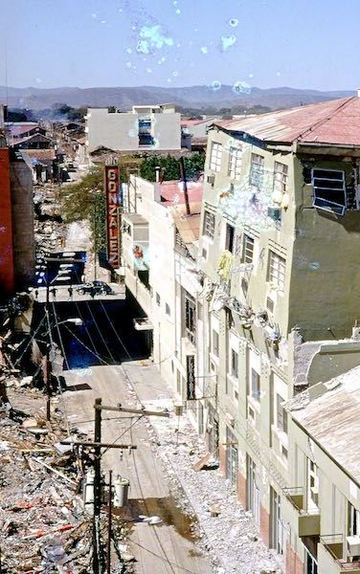
Managua after the1972 earthquake.
My hotel was just up the street
|
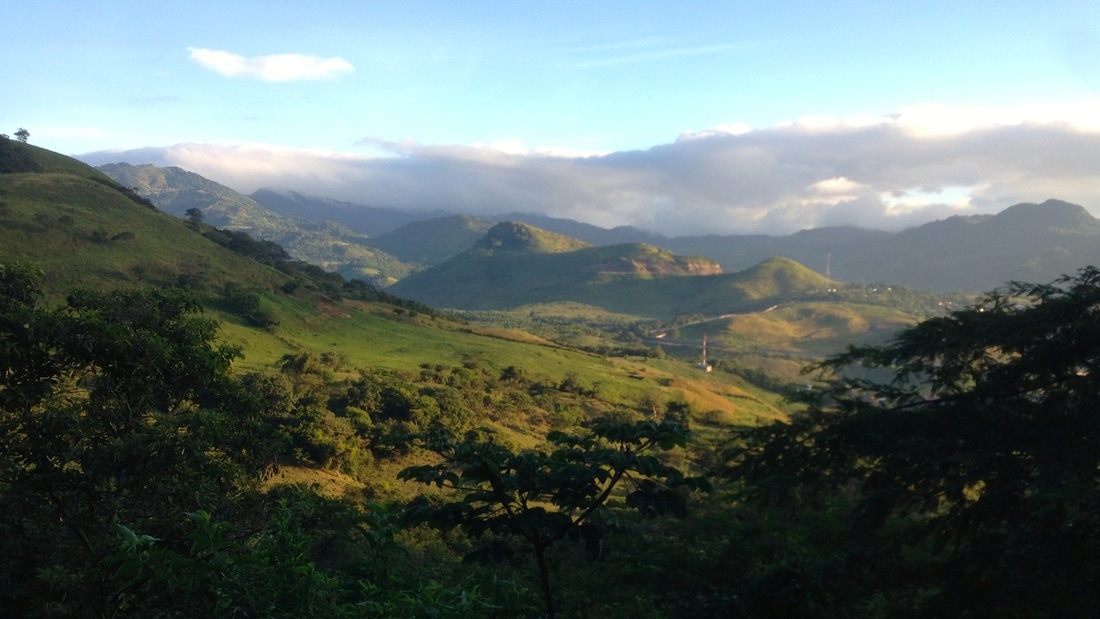
View from the mountain hotel in Matagalpa.

La Boquita Beach where I last saw Ana
|
Arnoldo Ramírez-Eva and Metasa
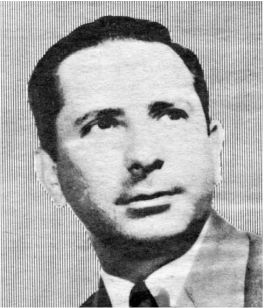
Arnoldo Ramírez-Eva, general manager of Metasa.
|
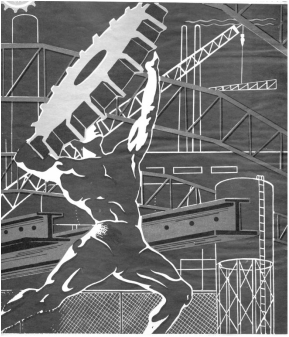
The Metasa vision in the company newspaper.
|
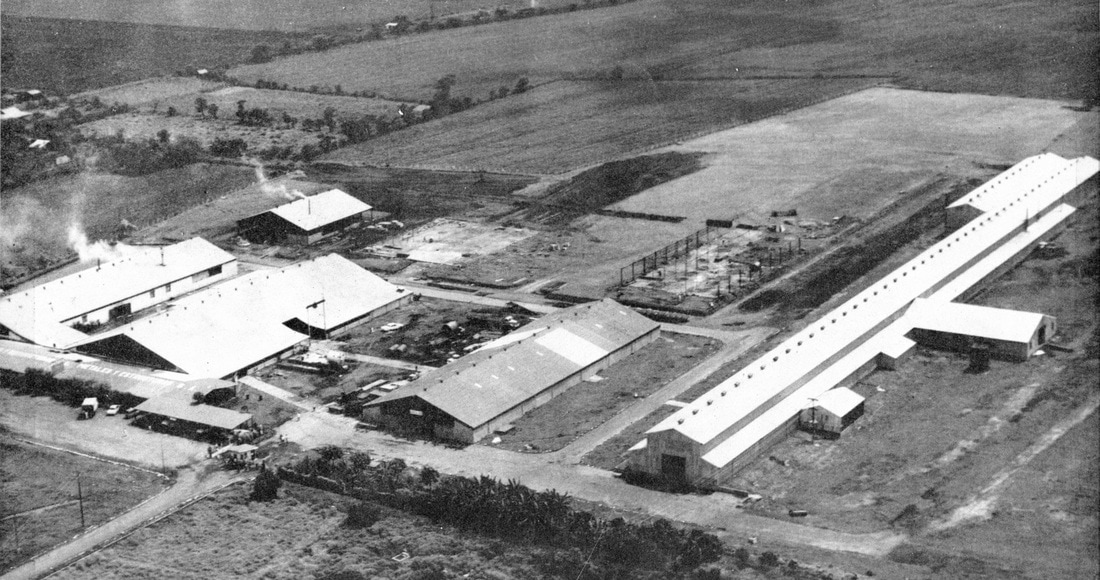
Metasa offices and plants, 1965
|
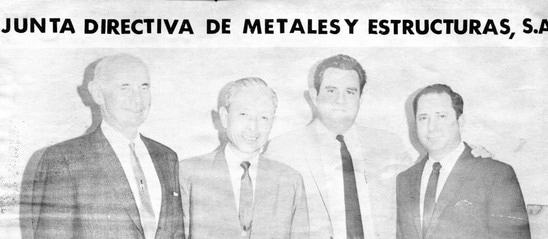
Metasa board of directors, 1965: From left, Donald M. Spencer, industrialist; Shinzo Kaiseki, C. Itoh & Co.; Luis A. Somoza D., President of Nicaragua; Arnoldo Ramírez-Eva, general manager.
|
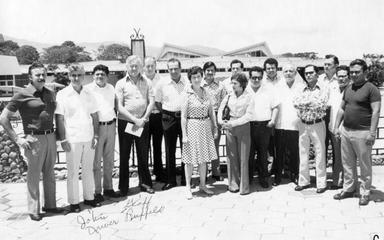
The U.S. Steel team at Metasa, early 1970s. The first general manager, Geoffrey Ruffell, is 4th from left and his successor, John Driver, is 2nd from left. Photo courtesy of Mrs. John Driver.
|
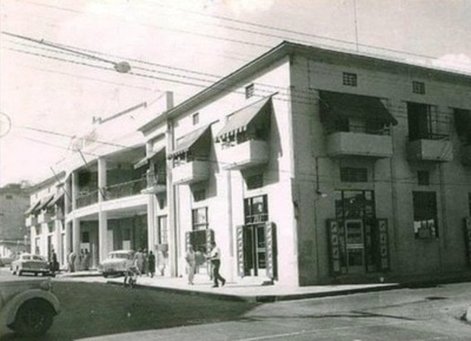
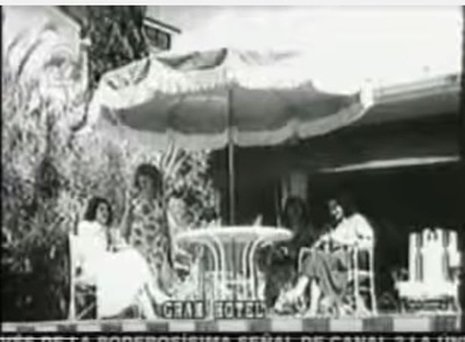
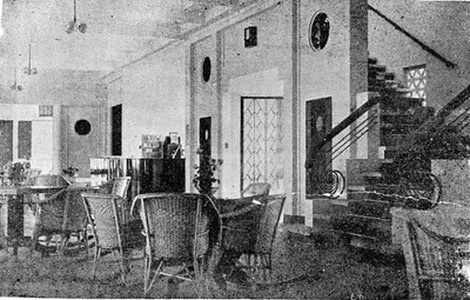
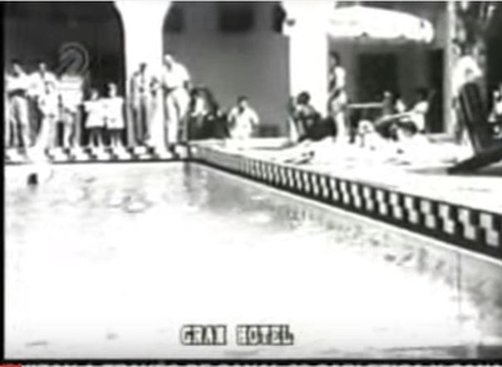
The Gran Hotel where much of the book is set
El Gran Hotel, sitio de mucho del libro
|
|
Excerpt from Shades of Truth
La versión española sigue este extracto en Inglés
(c) 2016 Larry Kilham
What happened to me in the 60s applies today
Lessons in business and politics
“You could have an unfortunate accident,” he quietly threatened, his eyes piercing mine. Over the years, I think back on this pivotal moment and play the scenarios through my mind. It was time to go.
I was a long-legged, naïve Gringo who for some unclear reason decided to go to Nicaragua, Central America, in 1965 to see what adventure would befall me before I settled down. I would assist at an investment firm in the capital, Managua. The country was run by the dictator Luis Somoza, and our paths would cross. It was a time when a diverse group of people including myself searched for destiny and found that destiny and truth were elusive.
It happened like this: I was having lunch with Arnoldo Ramírez-Eva, the general manager of Metasa, the construction steel company partially owned by Luis Somoza…
Ramírez-Eva seemed edgy, jumping up now and then to chat with a passing employee and pat them on the back. It seemed like he was demonstrating to me his natural leadership of the employees and maybe erasing any self-doubts he might have had about being the right leader of this majestic enterprise. I was beginning to think that he sought approval that he didn’t get in my presentation from leaders in business and government. He might be imagining that with his new house, “I will show them!”
He turned to me. “Remember our talk at the Country Club? I still think you could be a very valuable employee and eventually a partner, although today I saw that you have a lot to learn. It takes experience dealing with all kinds of real people. But before you know it, you will be having dinner with Luis and me. I’ve already mentioned you to him. We have to find you a fine wife. Buy a house. Settle down. Build the business with me.”
“It would be a great challenge and great honor to work for you,” I said as enthusiastically as I could, “but what do we do if I see something in a different way than you? If I discover a truth that I strongly believe is important to the business and you disagree, do I forget about that truth? Do we bury it and forget that it was ever found? Do we just move on as if nothing ever happened?”
“Larry, my friend, absolutes are for the church and philosophers. In our world, there are shades of truth.”
In my 23 years old idealism, I could see that this conversation was leading me to where I didn’t want to go. Furthermore, Ramírez-Eva was building up pressure inside. I had triggered something. A fuse was burning. I actually sensed that he was thinking about assaulting me. He pounded the table and shouted at me, “Who do you think you are to recommend that I hand my company over to the Japanese?”
“Well, that not exactly what I said,” I managed to sound calm.
“Maybe. But everyone understood it that way”
Fortunately, the employees were far enough away so no one could hear clearly what we were saying and we were speaking in English. I think Ramírez-Eva was so worked up he didn’t care.
“So here’s your choice” he said, now realizing that he was attracting attention and lowering his voice.
“Do you see those beautiful girls over there playing cards? Pick one and I will get her for you. Would you like to go to Miami once in a while with your girl and have some fun? You can take my plane.”
He paused to see if I was interested. Then he went on, “But if you don’t play my game my way, things could happen. Maybe when you’re walking down the street and unaware of the drunken campesino driving behind you. You could have an unfortunate accident,” he quietly threatened, his eyes piercing mine.
I was drained. Emotionally wrung out, and assumed he was too. We walked to the lobby area with neither of us saying anything. He called for his driver to take me back to my hotel. “Think it over,” he said after a weak handshake. We both knew I would not return to Metasa.
I welcome your comments.
(c) 2016 Larry Kilham
What happened to me in the 60s applies today
Lessons in business and politics
“You could have an unfortunate accident,” he quietly threatened, his eyes piercing mine. Over the years, I think back on this pivotal moment and play the scenarios through my mind. It was time to go.
I was a long-legged, naïve Gringo who for some unclear reason decided to go to Nicaragua, Central America, in 1965 to see what adventure would befall me before I settled down. I would assist at an investment firm in the capital, Managua. The country was run by the dictator Luis Somoza, and our paths would cross. It was a time when a diverse group of people including myself searched for destiny and found that destiny and truth were elusive.
It happened like this: I was having lunch with Arnoldo Ramírez-Eva, the general manager of Metasa, the construction steel company partially owned by Luis Somoza…
Ramírez-Eva seemed edgy, jumping up now and then to chat with a passing employee and pat them on the back. It seemed like he was demonstrating to me his natural leadership of the employees and maybe erasing any self-doubts he might have had about being the right leader of this majestic enterprise. I was beginning to think that he sought approval that he didn’t get in my presentation from leaders in business and government. He might be imagining that with his new house, “I will show them!”
He turned to me. “Remember our talk at the Country Club? I still think you could be a very valuable employee and eventually a partner, although today I saw that you have a lot to learn. It takes experience dealing with all kinds of real people. But before you know it, you will be having dinner with Luis and me. I’ve already mentioned you to him. We have to find you a fine wife. Buy a house. Settle down. Build the business with me.”
“It would be a great challenge and great honor to work for you,” I said as enthusiastically as I could, “but what do we do if I see something in a different way than you? If I discover a truth that I strongly believe is important to the business and you disagree, do I forget about that truth? Do we bury it and forget that it was ever found? Do we just move on as if nothing ever happened?”
“Larry, my friend, absolutes are for the church and philosophers. In our world, there are shades of truth.”
In my 23 years old idealism, I could see that this conversation was leading me to where I didn’t want to go. Furthermore, Ramírez-Eva was building up pressure inside. I had triggered something. A fuse was burning. I actually sensed that he was thinking about assaulting me. He pounded the table and shouted at me, “Who do you think you are to recommend that I hand my company over to the Japanese?”
“Well, that not exactly what I said,” I managed to sound calm.
“Maybe. But everyone understood it that way”
Fortunately, the employees were far enough away so no one could hear clearly what we were saying and we were speaking in English. I think Ramírez-Eva was so worked up he didn’t care.
“So here’s your choice” he said, now realizing that he was attracting attention and lowering his voice.
“Do you see those beautiful girls over there playing cards? Pick one and I will get her for you. Would you like to go to Miami once in a while with your girl and have some fun? You can take my plane.”
He paused to see if I was interested. Then he went on, “But if you don’t play my game my way, things could happen. Maybe when you’re walking down the street and unaware of the drunken campesino driving behind you. You could have an unfortunate accident,” he quietly threatened, his eyes piercing mine.
I was drained. Emotionally wrung out, and assumed he was too. We walked to the lobby area with neither of us saying anything. He called for his driver to take me back to my hotel. “Think it over,” he said after a weak handshake. We both knew I would not return to Metasa.
I welcome your comments.
EXTRACTO DE LOS MATICES DE LA VERDAD
(c) 2016 Larry Kilham
—Pudieras tener un desafortunado accidente—amenazó por lo bajo, su mirada penetrando la mía. A medida que pasan los años recuerdo este momento tan significativo y paseo cada uno de sus aspectos por mi mente. Había llegado el momento de partir.
Yo era un gringo ingenuo de piernas largas, quien por razones no esclarecidas había decidido ir a Nicaragua, Centroamérica, en 1965 en pos de alguna aventura antes de sentar cabeza. Iba como colaborador de una firma de inversionistas en Managua, la capital. El país estaba regido por el dictador Luis Somoza, cuyo camino habría de cruzarse con el mío. Era una época en que diversos grupos de gente, entre los cuales me encontraba yo, buscábamos un destino y descubrimos que tanto el destino como la verdad eran elusivos.
Sucedió así: yo estaba almorzando con Arnoldo Ramírez-Eva, el gerente general de Metasa, la empresa de acero de la construcción participada por Luis Somoza...
Ramírez-Eva parecía áspero, levantándose de vez en cuando para hablar con algún empleado que pasaba y darle palmadas en la espalda. Parecía que me demostraba su liderazgo natural hacia los empleados y que quería borrar cualquier duda que hubiera podido tener de ser el líder supremo de su majestuosa empresa. Empecé a pensar que buscaba la aprobación que no recibió con mi presentación por parte de líderes de negocios y del gobierno. Puede haber estado imaginando que con su nueva casa, “¡Ya les mostraré!”
Se volvió hacia mi. —¿Recuerdas nuestra conversación en el Country Club? Todavía pienso que serías un valioso empleado y eventualmente un socio, aunque hoy veo que tienes mucho que aprender. Toma experiencia bregar con todo tipo de gente. Cuando menos lo pienses, te encontrarás cenando con Luis y conmigo. Ya le he mencionado tu nombre. Tenemos que encontrarte una buena esposa. Compra una casa. Sienta cabeza. Construye el negocio conmigo.
—Sería un gran reto y un gran honor trabajar para tí—dije con todo el entusiasmo que pude—pero ¿qué hacemos si veo algo de modo diferente al tuyo? Si descubro una verdad y creo firmemente que es importante para el negocio, y tu no estás de acuerdo, ¿olvido esa verdad? ¿La enterramos y olvidamos que fue descubierta? ¿Seguimos adelante como si nada hubiera pasado?
—Larry, amigo mío, los absolutos son para la iglesia y los filósofos. En nuestro mundo hay matices de verdad.
En mi idealismo de 23 años, pude ver que esta conversación me estaba llevando a donde yo no quería ir. Además, Ramírez-Eva estaba levantando presión por dentro. Yo había detonado algo. Un fusible estaba encendido. Incluso sentí que deseaba agredirme. Pegó con el puño sobre la mesa y me gritó, —¿Quién crees que eres para recomendar que le entregue mi compañía a los japoneses?
—Eso no es exactamente lo que dije—respondí, logrando mantener la calma.
—Quizá. Pero todos lo entendieron así .
Afortunadamente, los empleados estaban lo suficientemente lejos como para que ninguno pudiera oír lo que decíamos, y estábamos hablando en inglés. Creo que Ramírez-Eva estaba tan alterado que no le importaba.
—Ésta es tu opción—dijo, ya dándose cuenta de que estaba llamando la atención, y bajando la voz.
—¿Ves a aquellas lindas muchachas jugando a las cartas? Escoge una y te la consigo. ¿Quieres ir a Miami de vez en cuando con tu muchacha a divertirte? Toma mi avión.
Hizo una pausa para ver si yo estaba interesado. Y continuó, —Pero si no juegas por mis reglas, pueden suceder cosas. Tal vez vas caminando por la calle sin notar al campesino borracho en un automóvil detrás de ti. Pudieras tener un desafortunado accidente—amenazó por lo bajo, su mirada penetrando la mía.
Me sentía agotado. Estaba emocionalmente exhausto y asumí que él también lo estaba. Caminamos al área del lobby sin una palabra entre nosotros. Llamó a su chófer para que me llevara de regreso al hotel. –Piénsalo—dijo, tras estrechar mi mano sin firmeza. Ambos sabíamos que yo no regresaría a Metasa.
Acojo sus comentarios.
(c) 2016 Larry Kilham
—Pudieras tener un desafortunado accidente—amenazó por lo bajo, su mirada penetrando la mía. A medida que pasan los años recuerdo este momento tan significativo y paseo cada uno de sus aspectos por mi mente. Había llegado el momento de partir.
Yo era un gringo ingenuo de piernas largas, quien por razones no esclarecidas había decidido ir a Nicaragua, Centroamérica, en 1965 en pos de alguna aventura antes de sentar cabeza. Iba como colaborador de una firma de inversionistas en Managua, la capital. El país estaba regido por el dictador Luis Somoza, cuyo camino habría de cruzarse con el mío. Era una época en que diversos grupos de gente, entre los cuales me encontraba yo, buscábamos un destino y descubrimos que tanto el destino como la verdad eran elusivos.
Sucedió así: yo estaba almorzando con Arnoldo Ramírez-Eva, el gerente general de Metasa, la empresa de acero de la construcción participada por Luis Somoza...
Ramírez-Eva parecía áspero, levantándose de vez en cuando para hablar con algún empleado que pasaba y darle palmadas en la espalda. Parecía que me demostraba su liderazgo natural hacia los empleados y que quería borrar cualquier duda que hubiera podido tener de ser el líder supremo de su majestuosa empresa. Empecé a pensar que buscaba la aprobación que no recibió con mi presentación por parte de líderes de negocios y del gobierno. Puede haber estado imaginando que con su nueva casa, “¡Ya les mostraré!”
Se volvió hacia mi. —¿Recuerdas nuestra conversación en el Country Club? Todavía pienso que serías un valioso empleado y eventualmente un socio, aunque hoy veo que tienes mucho que aprender. Toma experiencia bregar con todo tipo de gente. Cuando menos lo pienses, te encontrarás cenando con Luis y conmigo. Ya le he mencionado tu nombre. Tenemos que encontrarte una buena esposa. Compra una casa. Sienta cabeza. Construye el negocio conmigo.
—Sería un gran reto y un gran honor trabajar para tí—dije con todo el entusiasmo que pude—pero ¿qué hacemos si veo algo de modo diferente al tuyo? Si descubro una verdad y creo firmemente que es importante para el negocio, y tu no estás de acuerdo, ¿olvido esa verdad? ¿La enterramos y olvidamos que fue descubierta? ¿Seguimos adelante como si nada hubiera pasado?
—Larry, amigo mío, los absolutos son para la iglesia y los filósofos. En nuestro mundo hay matices de verdad.
En mi idealismo de 23 años, pude ver que esta conversación me estaba llevando a donde yo no quería ir. Además, Ramírez-Eva estaba levantando presión por dentro. Yo había detonado algo. Un fusible estaba encendido. Incluso sentí que deseaba agredirme. Pegó con el puño sobre la mesa y me gritó, —¿Quién crees que eres para recomendar que le entregue mi compañía a los japoneses?
—Eso no es exactamente lo que dije—respondí, logrando mantener la calma.
—Quizá. Pero todos lo entendieron así .
Afortunadamente, los empleados estaban lo suficientemente lejos como para que ninguno pudiera oír lo que decíamos, y estábamos hablando en inglés. Creo que Ramírez-Eva estaba tan alterado que no le importaba.
—Ésta es tu opción—dijo, ya dándose cuenta de que estaba llamando la atención, y bajando la voz.
—¿Ves a aquellas lindas muchachas jugando a las cartas? Escoge una y te la consigo. ¿Quieres ir a Miami de vez en cuando con tu muchacha a divertirte? Toma mi avión.
Hizo una pausa para ver si yo estaba interesado. Y continuó, —Pero si no juegas por mis reglas, pueden suceder cosas. Tal vez vas caminando por la calle sin notar al campesino borracho en un automóvil detrás de ti. Pudieras tener un desafortunado accidente—amenazó por lo bajo, su mirada penetrando la mía.
Me sentía agotado. Estaba emocionalmente exhausto y asumí que él también lo estaba. Caminamos al área del lobby sin una palabra entre nosotros. Llamó a su chófer para que me llevara de regreso al hotel. –Piénsalo—dijo, tras estrechar mi mano sin firmeza. Ambos sabíamos que yo no regresaría a Metasa.
Acojo sus comentarios.
|
About the Author
Larry Kilham has traveled extensively in Latin America for over twenty years. He worked in several large international companies and started and sold two high-tech ventures. He received a B.S. in engineering from the University of Colorado and a M.S. in management from MIT. Larry has written books about creativity and invention, artificial intelligence and digital media, and three novels with an AI theme. |
Sobre el autor
Larry Kilham ha viajado de modo extensivo en Latinoamérica por más de veinte años. Trabajó con varias grandes compañías internacionales e inició y luego vendió dos empresas de alta tecnología. Recibió un bachillerato superior en ingeniería de la Universidad de Colorado y una maestría en gerencia empresarial de MIT. Larry ha escrito libros sobre creatividad e invenciones, inteligencia artificial y medios digitales, y tres novelas con temas de inteligencia artificial. |